
Dumfries & Galloway Woodlands is still a very new organisation, not even three years old. We have been on a steep learning curve about trees generally – different schemes available to support the planting and management of woodlands, understanding their heritage and role in the region.
The Solway Coast & Marine Landscape Connections Project (SCAMP) presents an opportunity to add a new dimension to our work: how can we work closer with other charities and organisations in the region, how can we deliver habitat restoration at scale, how can coastal woodlands deliver economic benefit for the region, all washed down with a dollop of nationally significant ambition and potential.
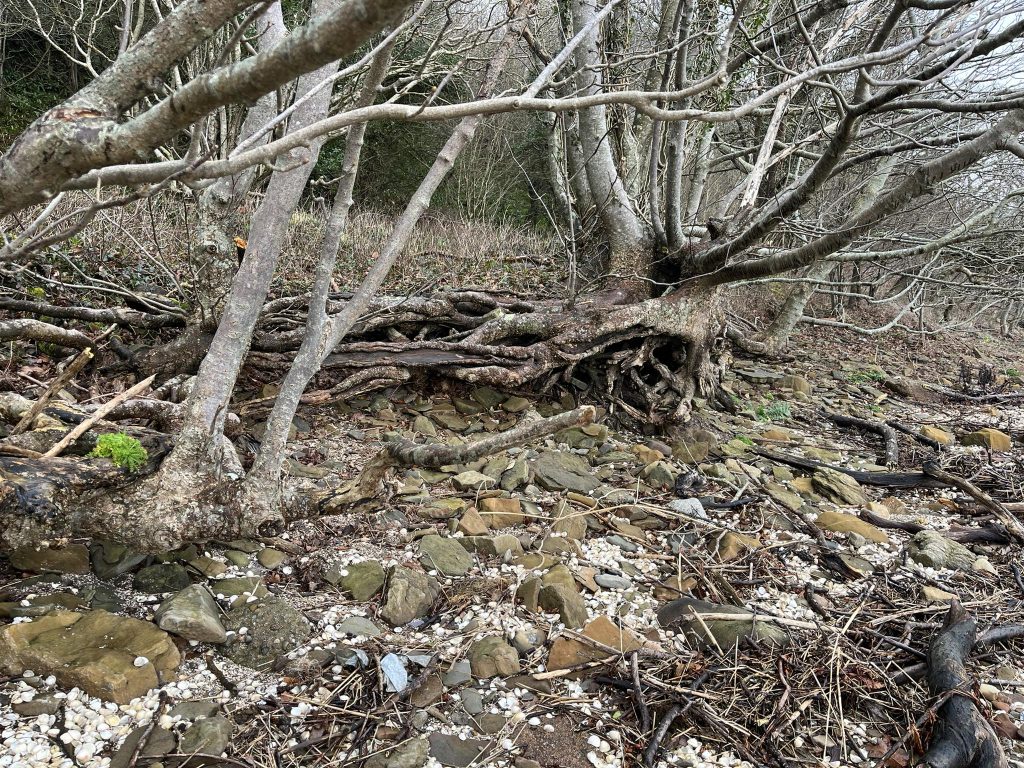
‘Coastal Woodland’ is one of the key habitats of focus in the SCAMP scheme. It needs a snappier definition of what we mean.
Your mind goes to single trees clinging onto cliff faces, thrashed by salt and wind, but we are working with coastal woodlands in the widest sense – from designed landscapes which have become some of our key visitor destinations and coastal gateways, through to trees on farms, private estates and larger plantations.
Dumfries & Galloway has a reputation as the engine room of Scotland’s commercial timber sector – playing a serious role on the UK stage towards national tree planting targets and the transition to Net Zero. This has brought a lot of tree ‘action’ into the region – and SCAMP is a chance to shout for our Coastal Woodland sites.
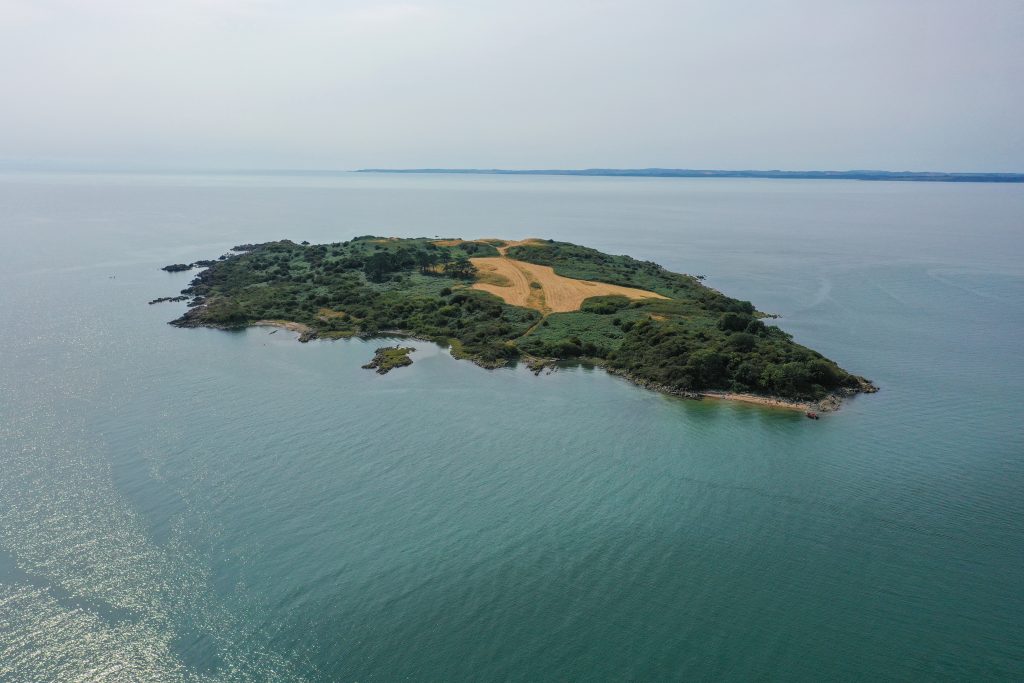
SCAMP is in its development phase and we have one question to answer: “what can SCAMP do to support our coastal woodlands and maximise the benefit they can deliver form the region”. This varies from economic benefit through to all of the other services undertaken by trees – influencing water transit & purity, coastal stabilisation, habitat provision and carbon capture.
In February 2026 we appointed three contractors to help us answer this question. They are all underway now. Phrases used in recent meetings include: mobile sawmills, local provenance of seed, salinity tolerance, rare species, Thigmomorphogenesis (worth a google), BioChar, and so much more. The ‘kitchen table paradox’ hangs over us all – it is cheaper to have a wooden kitchen table made further away from the region than it is using materials closer to home.
This year we are going to be seed propagating, rare species finding, rappelling down cliff for clone collection, meeting artisans and crafters and so much more.
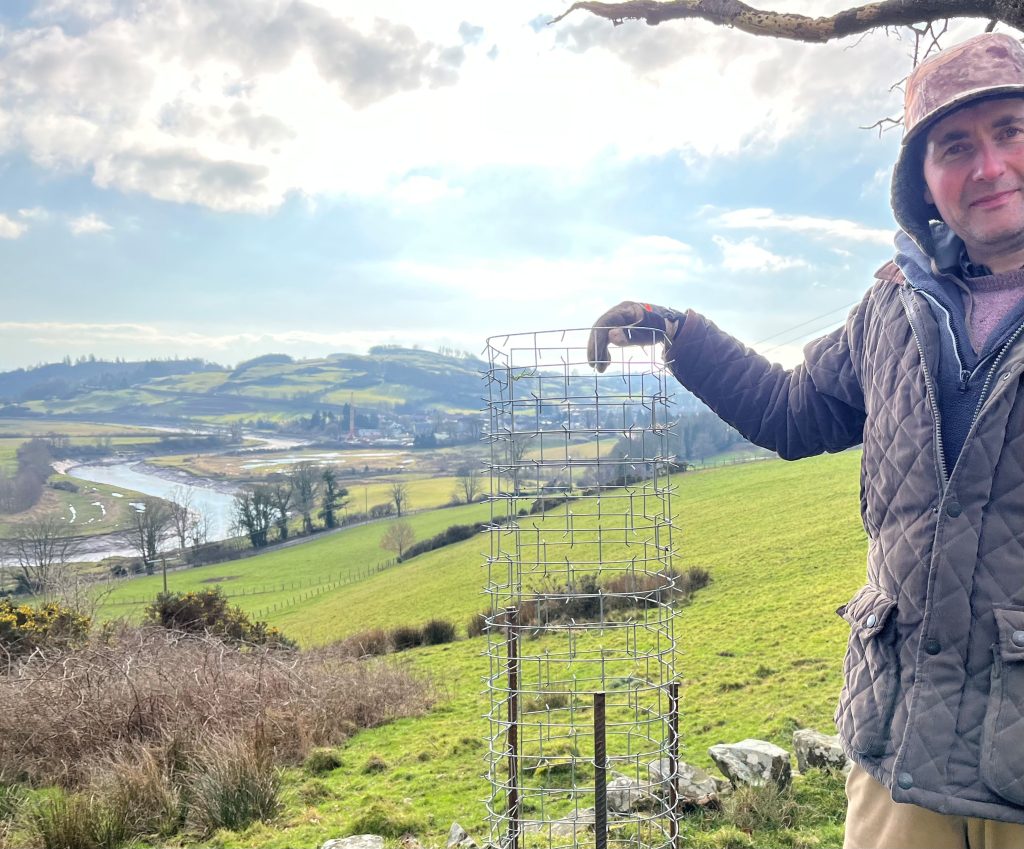
We are proud to be part of the SCAMP family, and to see the broader scheme come together makes you realise just how nationally significant and innovative this scheme can be…
McNabb Laurie, March 2026.
