

Coastal Woodland
The Solway Coast has a diverse mix of woodland, from areas of wildwood, modern managed areas, mixed woodland, broad leaved forests and ancient woods of coppiced oak and hazel.
The coastal woodland zone includes lone trees clinging onto the windswept coastline itself, and trees further inland that benefit from the maritime impact on the local microclimate.
Our coastal woodlands offer a sheltered environment for walking and wildlife watching. They are a sanctuary for flora and fauna, while also providing shelter to farmland and coastal communities. The Solway Coastal woodlands zone plays an important role in other factors too, such as mitigating storm impacts, improving air quality and carbon capture.
Coastal woodlands are often inaccessible. Clinging to cliffs, these woodlands create seedbanks of species adapted to this challenging environment. Inaccessibility can be a benefit for species under threat. For instance, it is estimated that a third of the Galloway aspen clone bank has been collected from inaccessible coastal spots. It is now being used to repopulate aspen across the southwest of Scotland.
Timber transported by sea is woven into the Solway’s wider history. Securing our coastal woodlands as a functional, sustainable and thriving local habitat is a key focus for SCAMP.
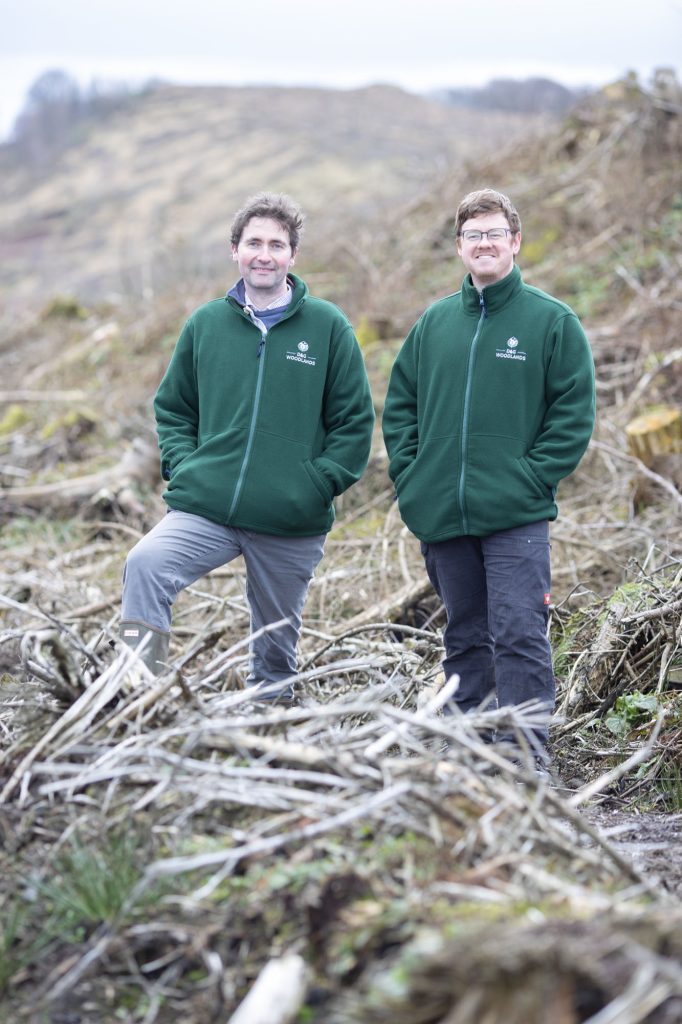
McNabb Laurie of Dumfries and Galloway Woodlands outlines SCAMP’s coastal woodlands work:
“We are relishing the opportunity to delve into and get to understand our coastal woodlands. We have kicked off a search for rock whitebeam – one of the UK’s rarest trees and a lover of coastal sites. No records are held for Dumfries & Galloway, but it must be out there somewhere.
“It is striking how the ‘coastal woodlands’ of Dumfries and Galloway are woven into our productive landscape, tourist sites and cherished destinations. We have let three development contracts to allow us to explore the subject deeper – including recent research on coastal woodlands, seed collection and how our coastal woodlands can support local economic activity through artisan products and crafts. We’ll be letting more contracts shortly to progress this development work further.
“By December 2026 we will have a detailed and robust set of projects for the SCAMP delivery phase that will protect and celebrate the roles carried out by our coastal woodlands, harnessing their potential to support climate resilience, biodiversity and the local economy.”
For more information on Dumfries & Galloway Woodlands visit DG Woodlands.

