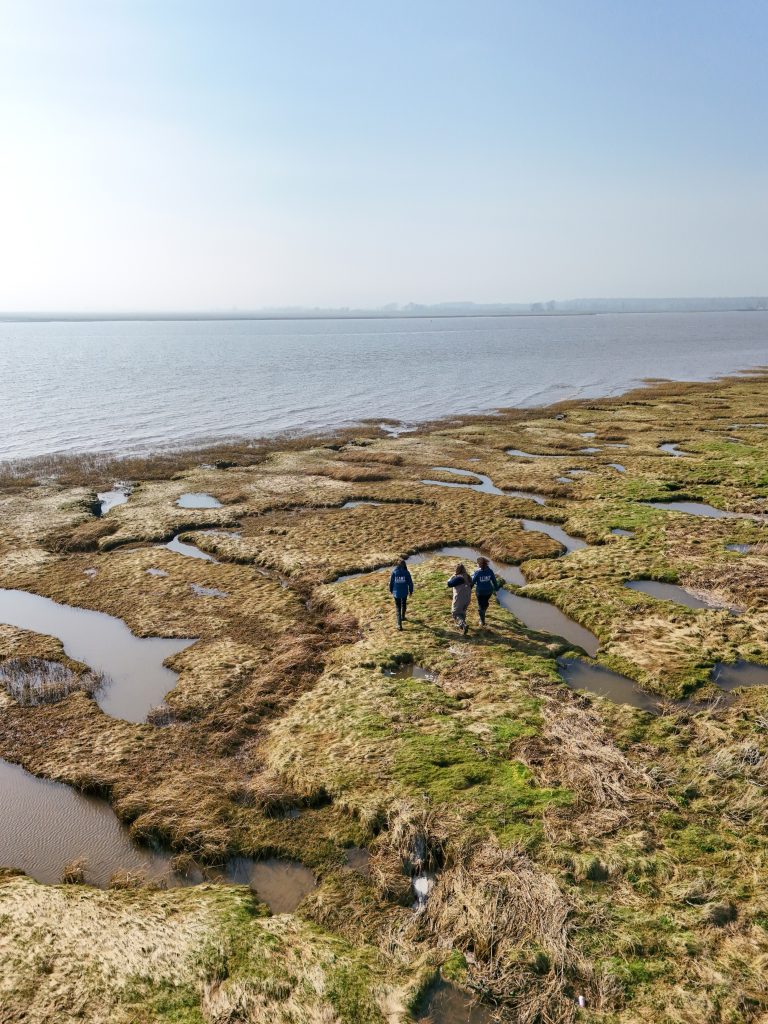
Dumfries and Galloway is set to become a national leader in landscape‑scale nature recovery as two major regional projects – SCAMP Landscape Connections and the Galloway Fisheries Trust’s Flowing Forward – Restoring Galloway’s Rivers Project – have been jointly selected by the Scottish Government as one of only nine exemplar projects across Scotland.
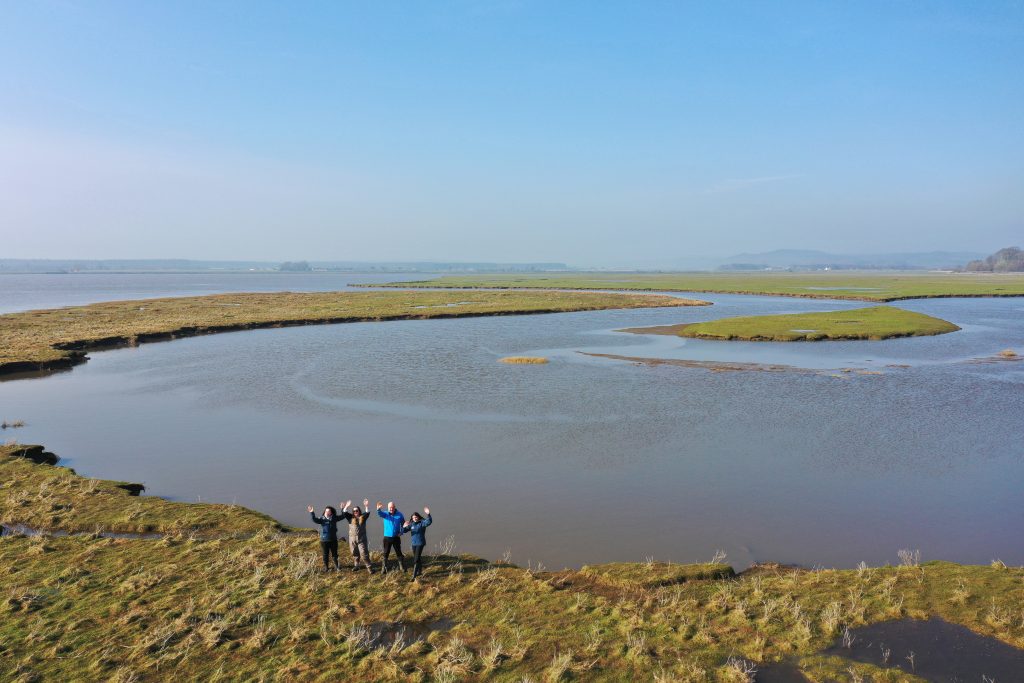
The announcement comes following approval by the Cabinet Secretary for Climate Action and Energy and recognises the projects as among the most ambitious and innovative in the country for landscape and seascape restoration. As official exemplars of the Scottish Biodiversity Delivery Plan, both initiatives will now receive priority access to agency expertise, coordinated support from organisations including NatureScot, SEPA, Scottish Forestry, Forestry and Land Scotland and Scottish Water and increased help in attracting future nature‑based investment.
Together, SCAMP and the Restoring Galloway Rivers deliver a unique catchment‑wide, ‘source to sea’ approach, connecting upland river systems with the Solway coast. This integrated method aims to accelerate ecological restoration, support climate resilience, improve water quality, enhance fish and wildlife habitats and strengthen natural flood management.
The exemplar designation is a major endorsement of the work already being led locally by the SCAMP partnership and the Galloway Fisheries Trust, as well as the extensive collaboration with communities, land managers and environmental partners across the region. It also signals a heightened national focus on Dumfries and Galloway as a place with the potential to demonstrate new, scalable models for nature recovery.
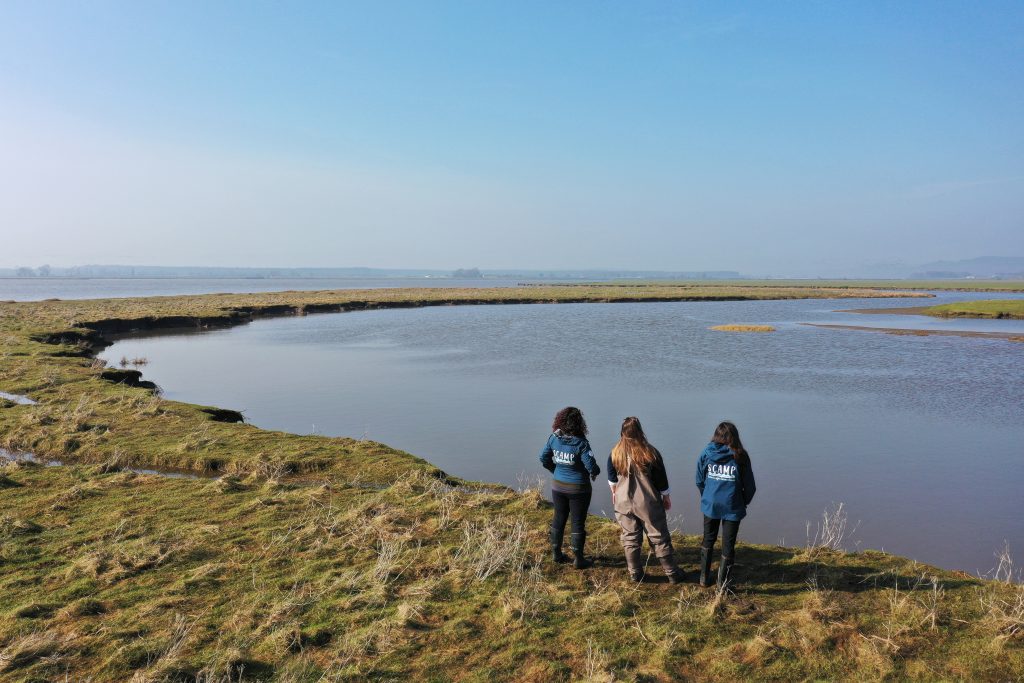
SCAMP Landscape Connections is a 10‑year programme spanning 210 miles of the Solway coast, bringing together seven partnership organisations and delivering 35 nature restoration initiatives across seagrass, native oyster reefs, saltmarsh, coastal woodland and sand dunes. The project is designed to restore habitats, protect biodiversity, engage communities and schools and open up new pathways into green jobs.
The Flowing Forward – Restoring Galloway’s Rivers Project, led by the Galloway Fisheries Trust, focuses on restoring aquatic biodiversity, improving river health, supporting native fish populations and tackling practical land and water management challenges across Galloway’s iconic river systems.
Both projects together were unanimously recommended as exemplars for their scale, ambition, innovation and whole‑catchment design.
Lisa Hawkin, Dumfries and Galloway Council’s Executive Director Economy and Infrastructure said:
“This is a hugely significant moment for Dumfries and Galloway. Being recognised nationally as home to one of Scotland’s nine exemplar nature restoration projects demonstrates the outstanding quality, ambition and impact of the work underway across our rivers, coasts and landscapes.
“The partnership between SCAMP and the Galloway Fisheries Trust creates a truly integrated ‘source to sea’ model – one that can accelerate ecological recovery, strengthen climate resilience, support biodiversity and benefit communities across the region.
“We are proud of the leadership shown by our teams and partners, and this exemplar status will help unlock additional expertise, collaboration and investment to drive nature restoration at a scale not seen before in the south of Scotland.”
Jamie Ribbens, Chief Executive of Galloway Fisheries Trust, is delighted to be shortlisted and added:
“We are delighted that our ‘Restoring Galloway’s Rivers’ project has been identified as a landscape scale exemplar for habitat restoration. The project aligns closely with the ambitious SCAMP project so that these two exemplar projects can work closely together to deliver a true ‘source to sea’ programme that will restore important habitats, support biodiversity, sustain fisheries and build resilience to the impacts of climate change.”
SCAMP Landscape Connections has been made possible through funding from National Heritage Lottery Fund.